
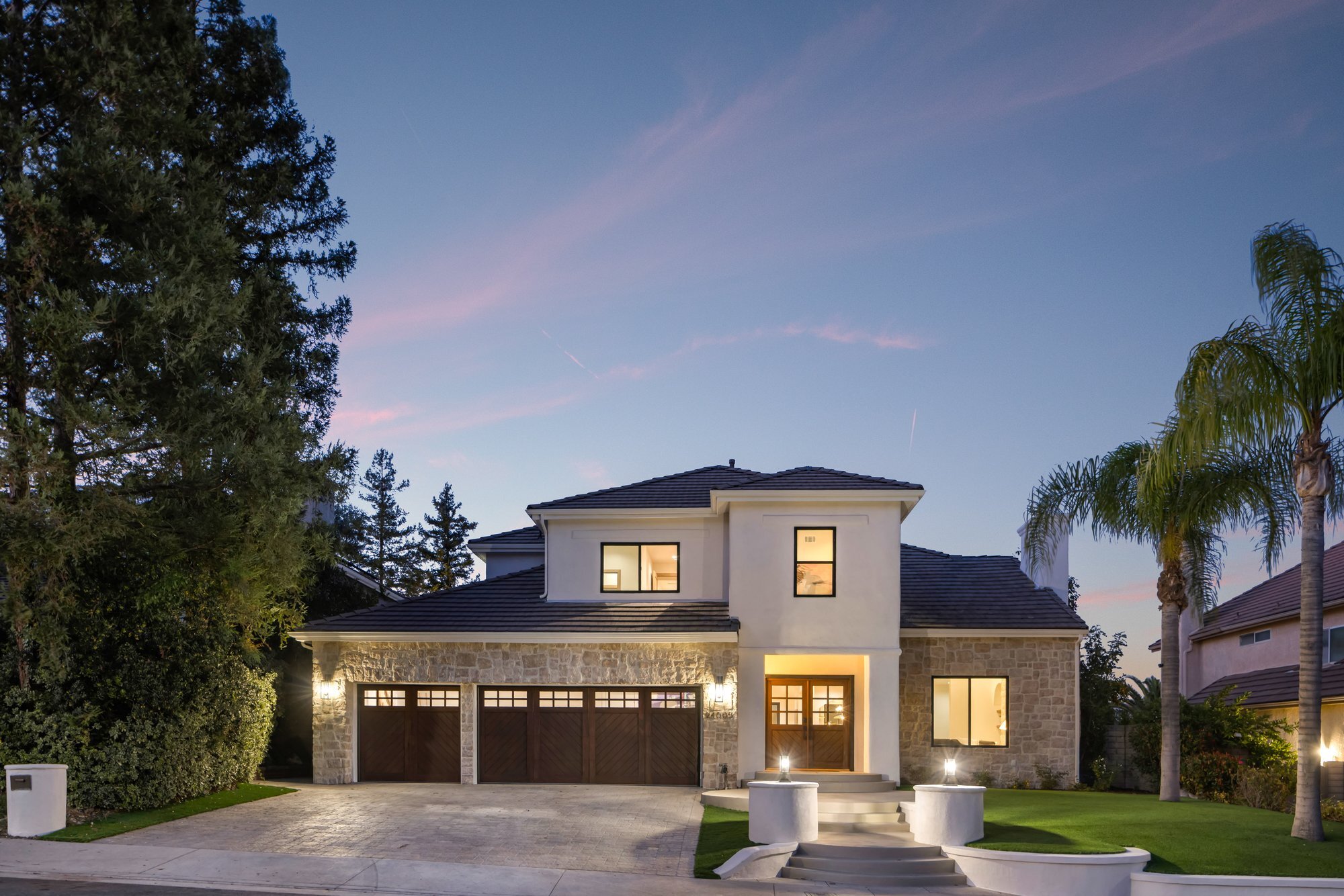
Divorce is hard enough without a house in the middle of it. For most Conejo Valley couples, the house is the biggest asset they own, and the hardest one to split. You cannot cut a house in Thousand Oaks in half. At some point it has to be sold, bought out, or kept by one person under a written agreement.
This guide covers how that works in California. It is general information, not legal advice. Have a Ventura County family law attorney review your case before you sign anything.
First, what California law says about the house
California is a community property state. A house bought during the marriage is usually owned equally by both spouses, even if only one name is on the title or only one income paid the mortgage. A house owned before the marriage, or received as a gift or inheritance, may be separate property in whole or in part. Money from separate funds can create a separate interest too.
That distinction controls how the equity gets divided. Until the divorce is final and the title changes, both of you usually have a say in what happens, and both may still be tied to the mortgage. Get the purchase date, title history, and records for any separate money to your attorneys early. Guessing is how fair deals fall apart.
The rule most people miss after filing
Once a divorce is filed in California, automatic temporary restraining orders take effect. They are printed on the back of the divorce summons, and they matter for real estate. After filing, neither spouse can sell, transfer, or borrow against community property, including the house, without the written consent of the other spouse or a court order.
One spouse cannot quietly sell the house alone after a case is filed. Any legitimate buyer will need both signatures, or a court order. If a buyer tells you otherwise, walk away. Before filing, a title company will normally require both spouses to sign anyway, even if only one name appears on the deed.
Your three real options
One spouse keeps the house and buys out the other. This works when one of you wants to stay, can refinance into one name, and can pay the other spouse their share of the equity. It keeps kids in the same school in Westlake Village or Agoura Hills. But it falls apart when the refinance does not work or the value is disputed.
You list the house with an agent. For an updated house and two people who can cooperate for a few months, this can bring the highest price. You fix it up, show it, and split the net proceeds at closing.
You sell for cash and split the proceeds. This is the fastest and simplest route. No repairs. No showings. No waiting for a buyer’s loan. You agree on a price, sign together, and move on.
Why listing can get messy during a divorce
Listing sounds neutral. In practice it puts dozens of joint decisions in front of two people who are already in conflict. Price cuts. Repair requests. Showing times. Offer terms. Who pays for what. One disagreement can stall the sale, and a stalled listing in Camarillo or Simi Valley can sit while the mortgage keeps coming due.
Every disagreement costs time, and time costs money. The mortgage, taxes, insurance, and HOA dues keep running. A house that needs work can fall apart in week four. Listing is not wrong. It just requires teamwork at the exact moment teamwork is hardest.
How a cash sale works when two people must agree
Both spouses talk with us, together or separately. We look at the house once, as is, in Thousand Oaks, Camarillo, Simi Valley, Moorpark, Calabasas, or anywhere in the Conejo Valley and the west San Fernando Valley. We make one written cash offer based on its condition and what it will be worth after renovation.
If you both accept, escrow opens with a neutral title company and follows instructions you and your attorneys approve. At closing, the mortgage and liens get paid first. The balance is split as your agreement or court order says.
We are the end buyer, not a wholesaler. Abe The Home Buyer is owned by Adam Reynolds, Brendan Yaffe, and Ethan Lacoe. We buy the house ourselves, renovate it, and sell it or hold it. Your contract is not passed to another investor you have never met. Most of our divorce sales close in 7-14 days once both spouses and, when needed, the court have approved the sale. If you need more time to move, we can set a longer date in writing.
What to settle before you accept any offer
Agree on the split before escrow closes, and get it in writing. Decide who pays the final mortgage and utility bills, who handles anything found in escrow, such as a lien or an HOA balance, and what the moving date is.
Ask about the mortgage. Selling pays it off and ends that joint debt. A buyout only protects both of you if the departing spouse comes off the loan through a refinance or payoff. Staying on a mortgage for a house you no longer own is a risk, even when a judgment says the other person will pay. Ask your attorney and tax professional about taxes too; a transfer between spouses is treated differently from a sale to a third party, and capital gains rules have deadlines.
When cash makes sense, and when it does not
Sell for cash when speed, privacy, and certainty matter more than the last dollar. It fits when the house needs work, when you both want a clean break, or when the house in Woodland Hills or Westlake Village is sitting empty and costing money every month.
List when the house is updated, you both can cooperate, and top price is the priority. Do a buyout when one of you truly wants to stay and the refinance math works. There is no single right answer, only the answer that closes the chapter cleanly.
Talk it through with no pressure
If you are selling a house during a divorce in Ventura County, call Abe The Home Buyer at (805) 719-7666. You will talk with a local owner, not a call center. We will explain what we can pay, show you the math, and give you time to review it with your attorney. If listing will net you more and you have the time, we will tell you that too.
One call. One written offer. Both of you decide. No repairs, no showings, no obligation.